 Mivo
Mivo Copper Upcasting Systems
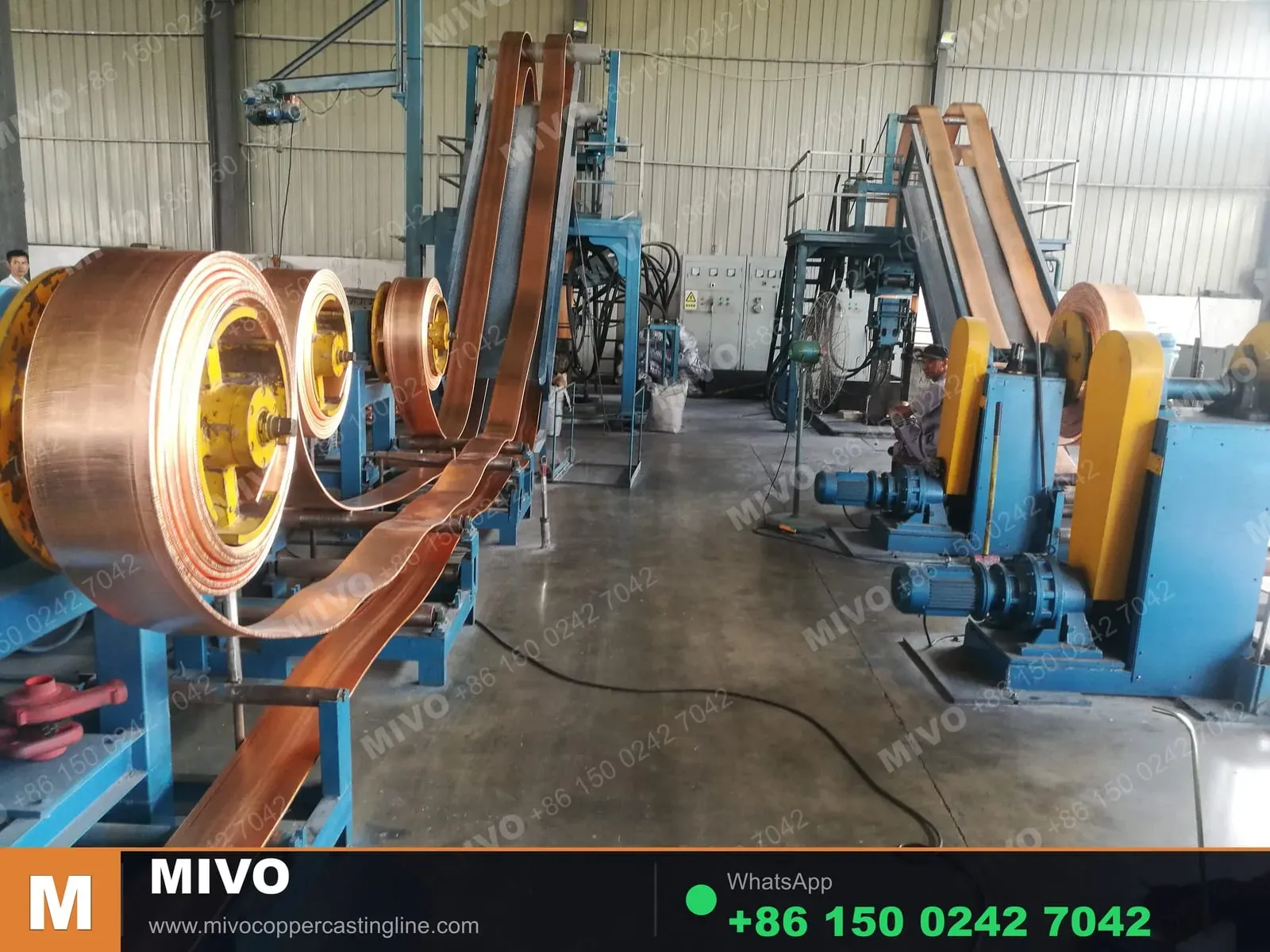
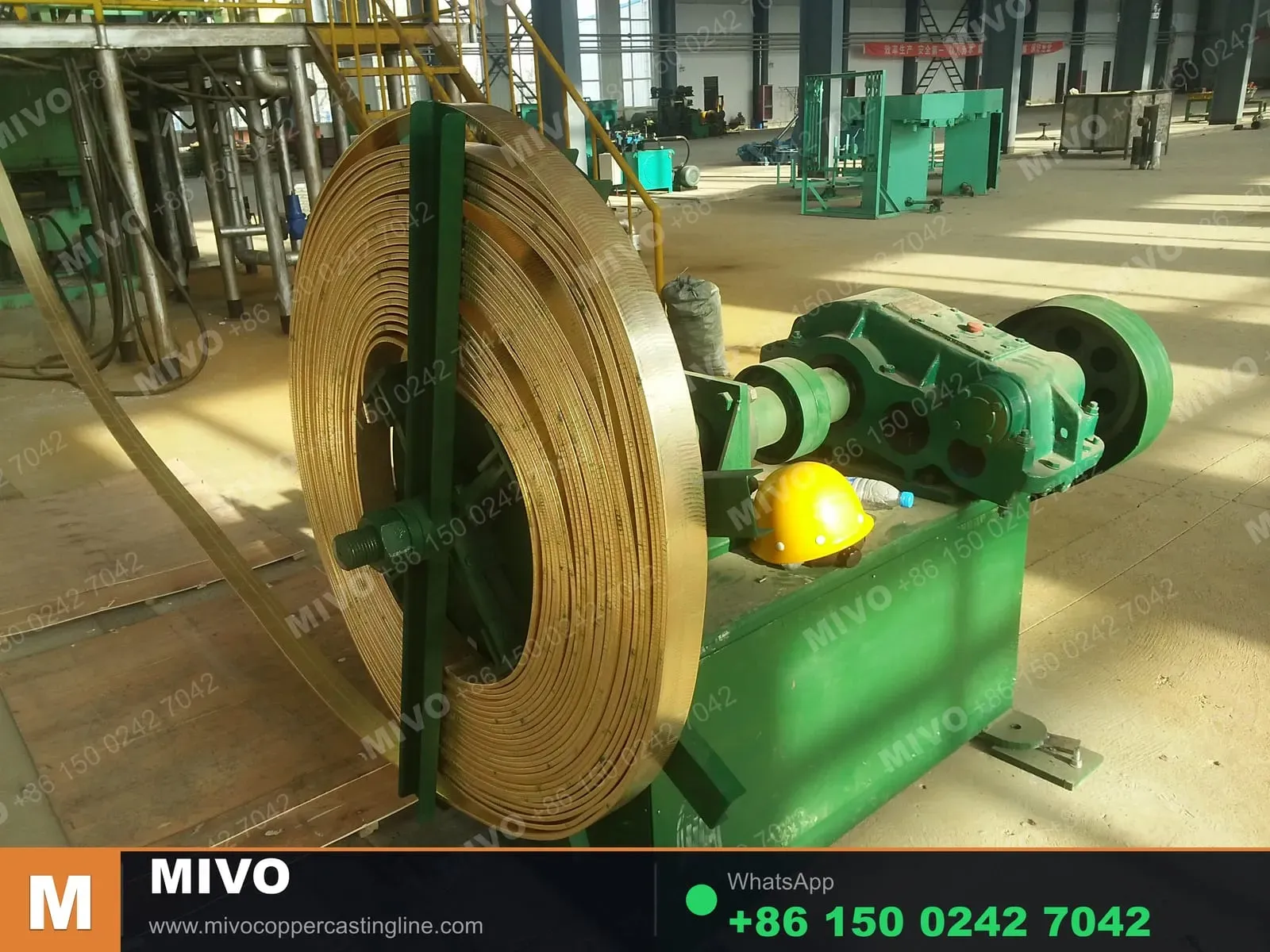
For copper rod, busbar, flat profiles, and selected tube applications.
View equipmentComplete Casting Line Solutions
Upcasting and semi-continuous casting equipment for copper busbar, rod, billet, slab, and special-profile production.
Own Factory and Patented Crystallizer Technology
After-Sales Service and Technical Support
Manufacturing and Factory Acceptance Testing
Equipment scope is checked around product size, material, utilities, and downstream process.
Furnace, crystallizer, withdrawal, and auxiliary equipment are matched before quotation.
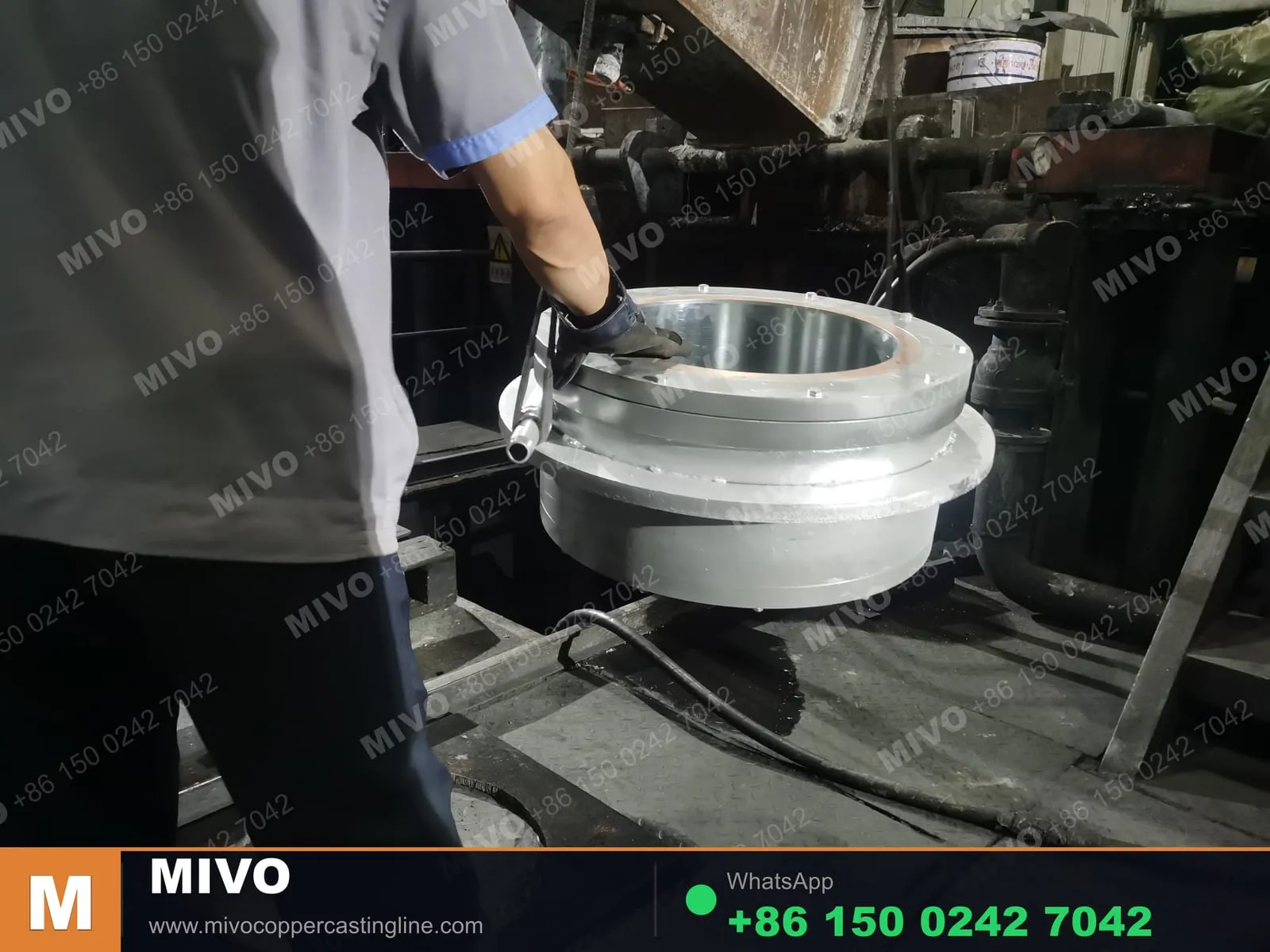
Crystallizers, replacement components, and project support are handled according to scope.
19+
Years of copper casting equipment experience.
Who We Are
Mivo manufactures upward and semi-continuous copper casting equipment in our own factory. Our patented crystallizer technology, line equipment, and replacement components serve copper rod, busbar, billet, and slab production.
Project-configured upward and semi-continuous casting systems
Crystallizer products and replacement components
Quotation review based on drawings and plant conditions
Casting Systems
Select the casting route first, then review product size, material, capacity, workshop layout, and utility conditions.
Mivo For copper rod, busbar, flat profiles, and selected tube applications.
View equipment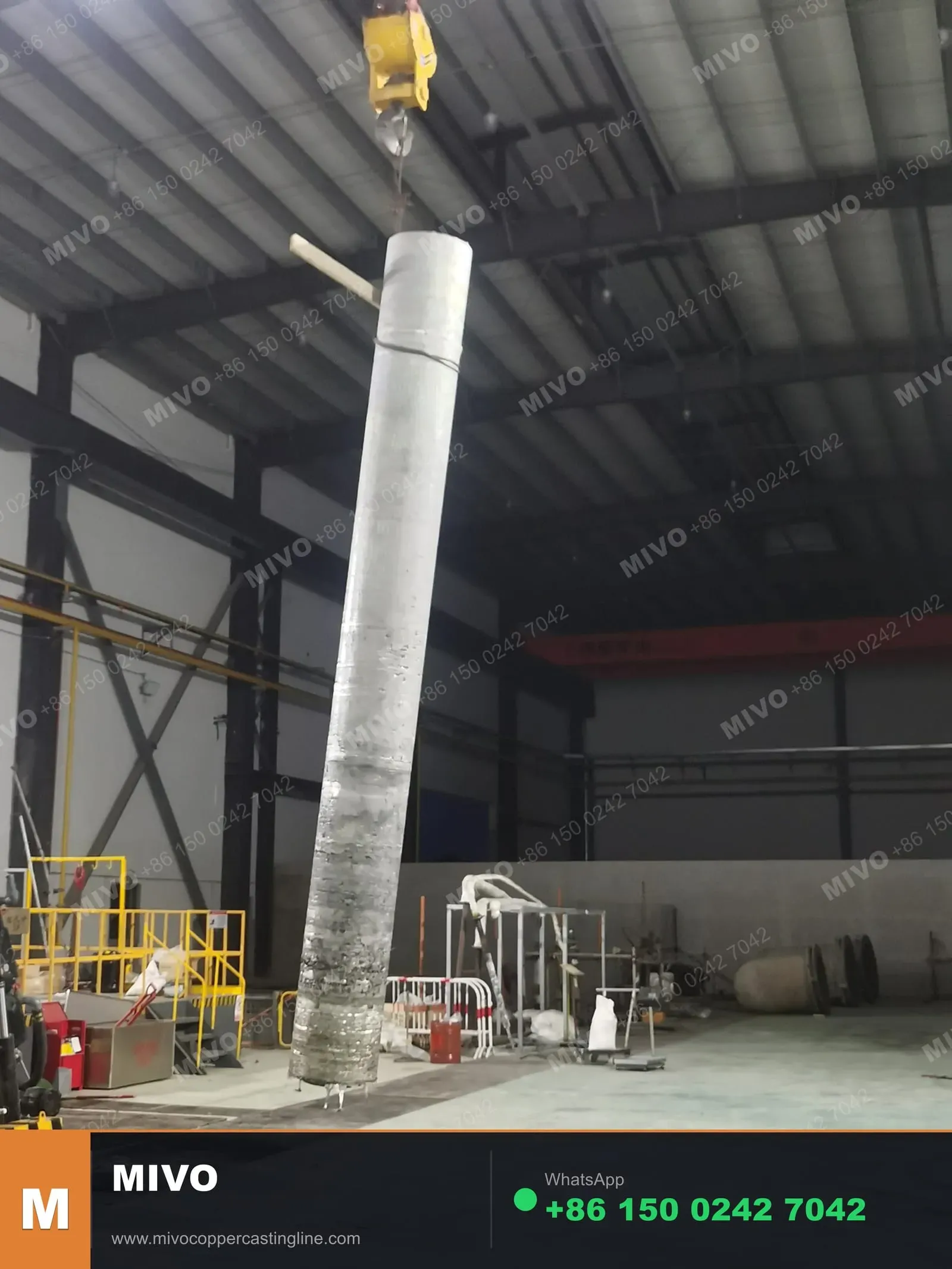 Mivo
Mivo For round billet, slab, hollow billet, and reviewed copper-alloy projects.
View equipment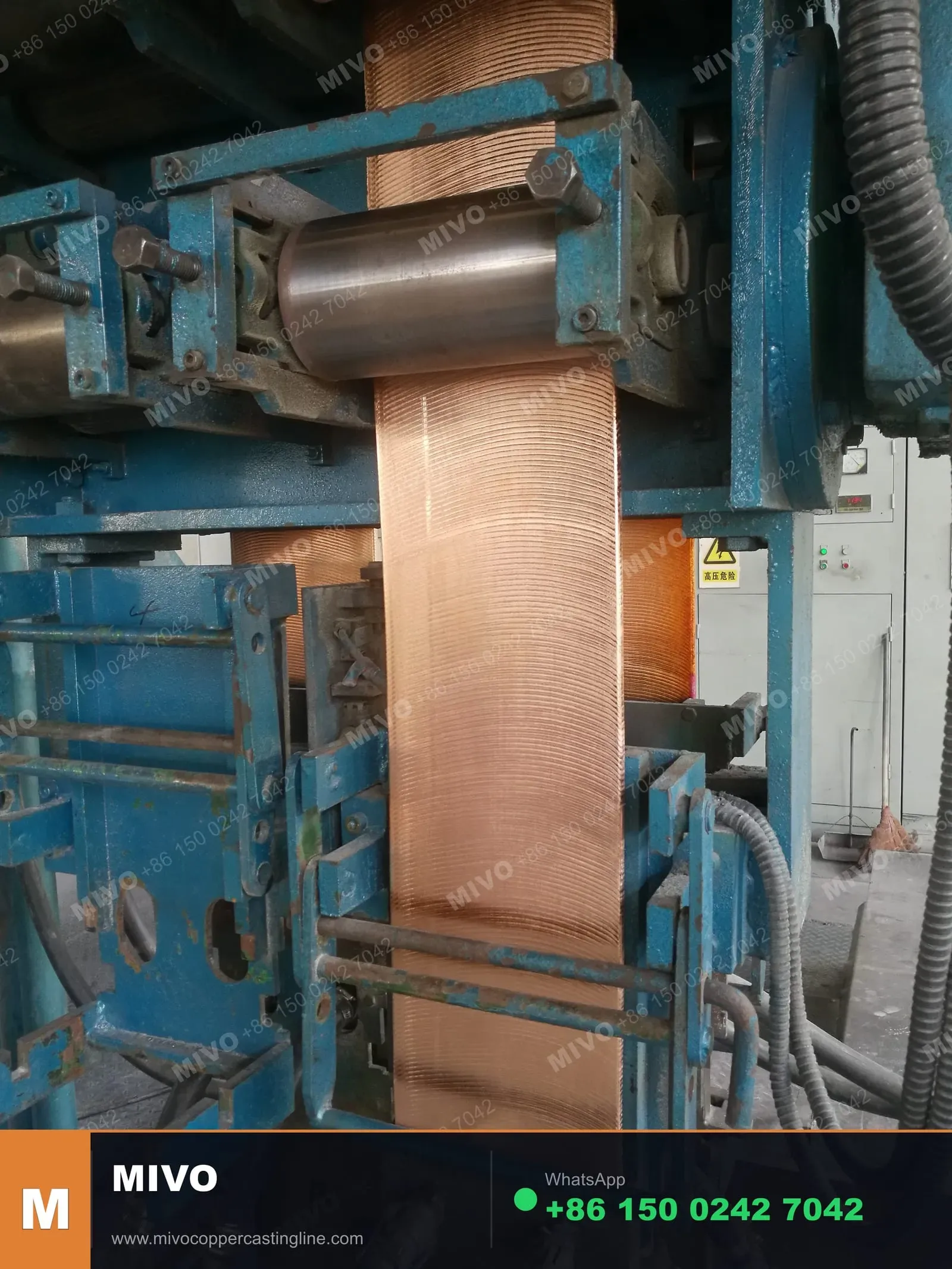 Mivo
Mivo Crystallizers and replacement components for selected copper casting applications.
View equipmentCasting Line Technology
Casting performance depends on the coordination of melting, crystallization, withdrawal, cooling, and control.
CN113275523B
The patent describes a 120 mm/min example at a 220 x 12 mm busbar section and cites a 60 mm/min same-section reference.
View patent backgroundFurnace arrangement is matched to the material route, output target, and operating plan.
Crystallizer geometry and cooling interfaces are reviewed around the required cast section.
Traction, guidance, and control functions are configured as one coordinated system.
Water circulation, monitoring, and electrical control are defined around site conditions.
Casting Route Selection
Export markets
Compare local voltage, cooling-water conditions, shipping access, typical copper products, and the information needed for an equipment inquiry.
View all export marketsInternational FAQ
These answers cover product routes, quotation inputs, delivery planning, visits, and customization.
The current equipment scope covers copper rod, copper busbar and flat profiles, selected copper tube or tube-billet routes, and semi-continuously cast round billet, slab, and hollow billet. Final scope is confirmed from the product drawing, material, output target, and plant conditions.
Upcasting is normally reviewed for continuous pure-copper rod, busbar, flat profile, and selected tube products. Semi-continuous casting is reviewed for fixed-length round billet, slab, hollow billet, and copper-alloy feedstock used in extrusion, forging, or rolling.
Delivery time is project specific and depends on the equipment boundary, custom engineering, purchased components, factory testing, and shipping plan. A schedule is issued after the technical scope is confirmed.
Factory and technical visits can be arranged by appointment after the project type, visit purpose, and confidentiality requirements are reviewed.
Yes. Equipment can be redesigned around an approved product drawing, material, capacity target, plant interface, and agreed responsibility boundary. Feasibility is confirmed through technical review before quotation.
Get in touch
Our engineers can review a suitable equipment direction against your capacity target, product specification, utilities, and agreed project boundary.